Faith and Reason, the Basis of Leisure
As the date of the Faith and Reason Seminar approached and I realized I had only completed two of the readings, I began to wonder if perhaps I should have simply left it as a free weekend and enjoyed the extra leisure time. As it turns out, attending the Seminar was the most leisurely thing I did all summer.
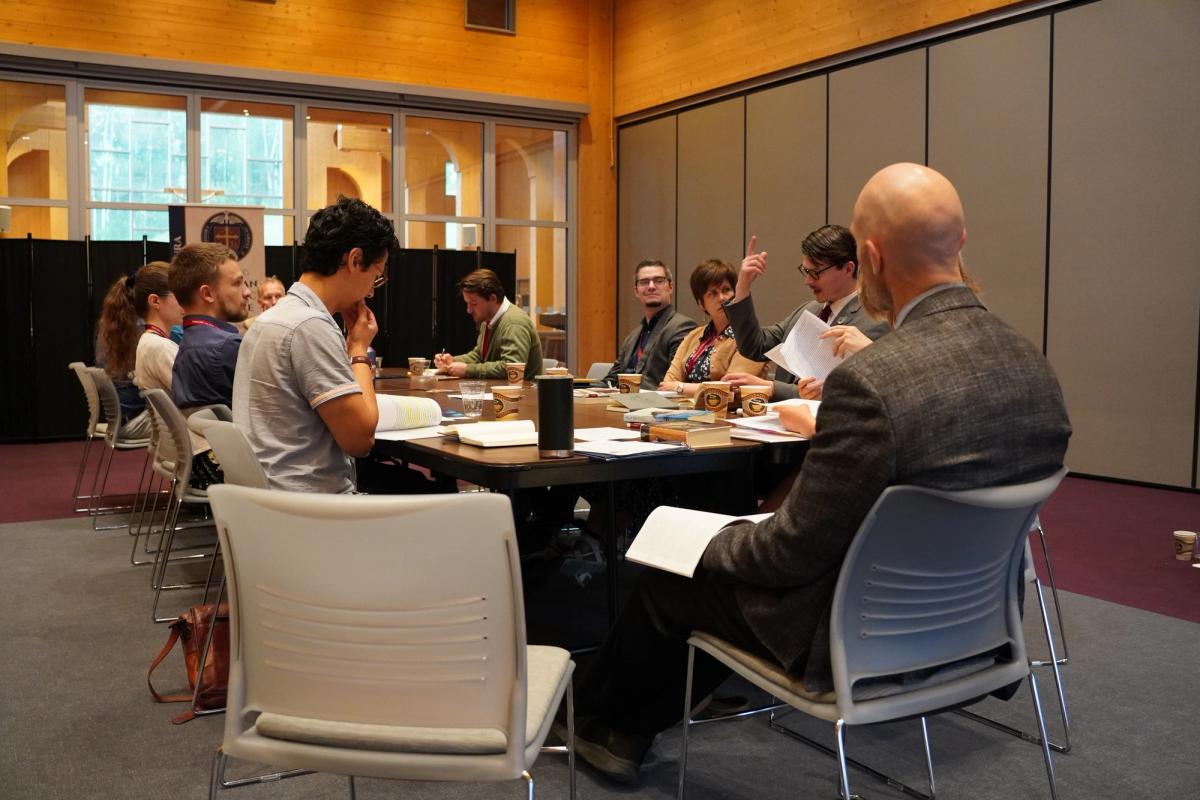
For some, the word “seminar” might evoke a gathering of stodgy academics discussing a scholarly theme, or maybe a classroom of students learning under the guidance of a professor.
Of discussion there was plenty, but stodginess was not to be found. We laughed, we argued, we prayed, we pondered, we drank Scotch.
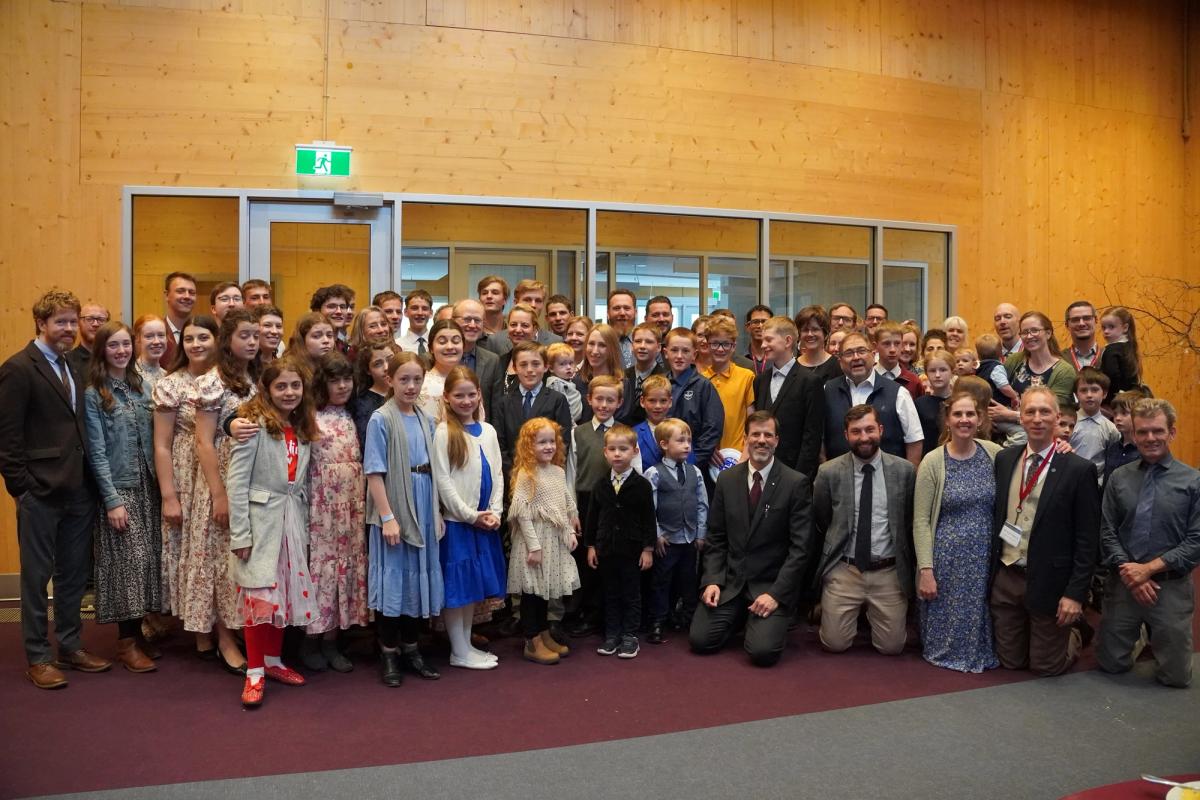
As for the attendees, there were a number of academics and students, to be sure, but the attendees represented a whole host of Catholic apostolates and institutions. Their missions ranged from evangelization (CCO) to pro-life work (the Gianna Centre), intellectual and human formation (the St. Therese Institute, Our Lady Seat of Wisdom Academy, etc.) to connecting Catholic healthcare professionals (members of the St. Luke’s Guild).
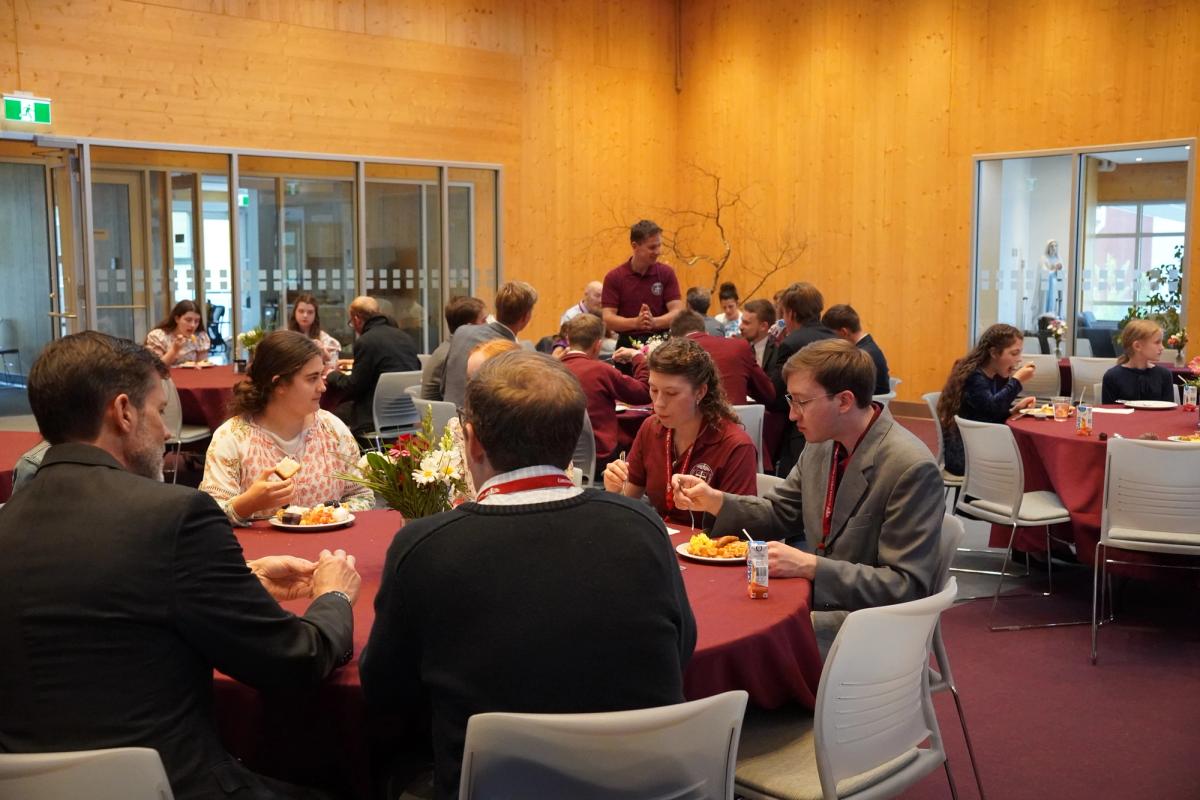
In order to convey just how leisurely the weekend was, allow me to briefly clarify what I mean by leisure. One of our core texts for the weekend was Josef Pieper’s Leisure the Basis of Culture, which insists that leisure is somewhat orthogonal to rest. That is, whereas rest is for the sake of taking a break from (and preparing for) work, leisure is for its own sake. It is primarily about opening ourselves up to the highest goods of life. We do this through contemplation and festivity, which are two sides of the same coin. Put differently, leisure is about taking time to experience the joy of living in a world awash with meaning.
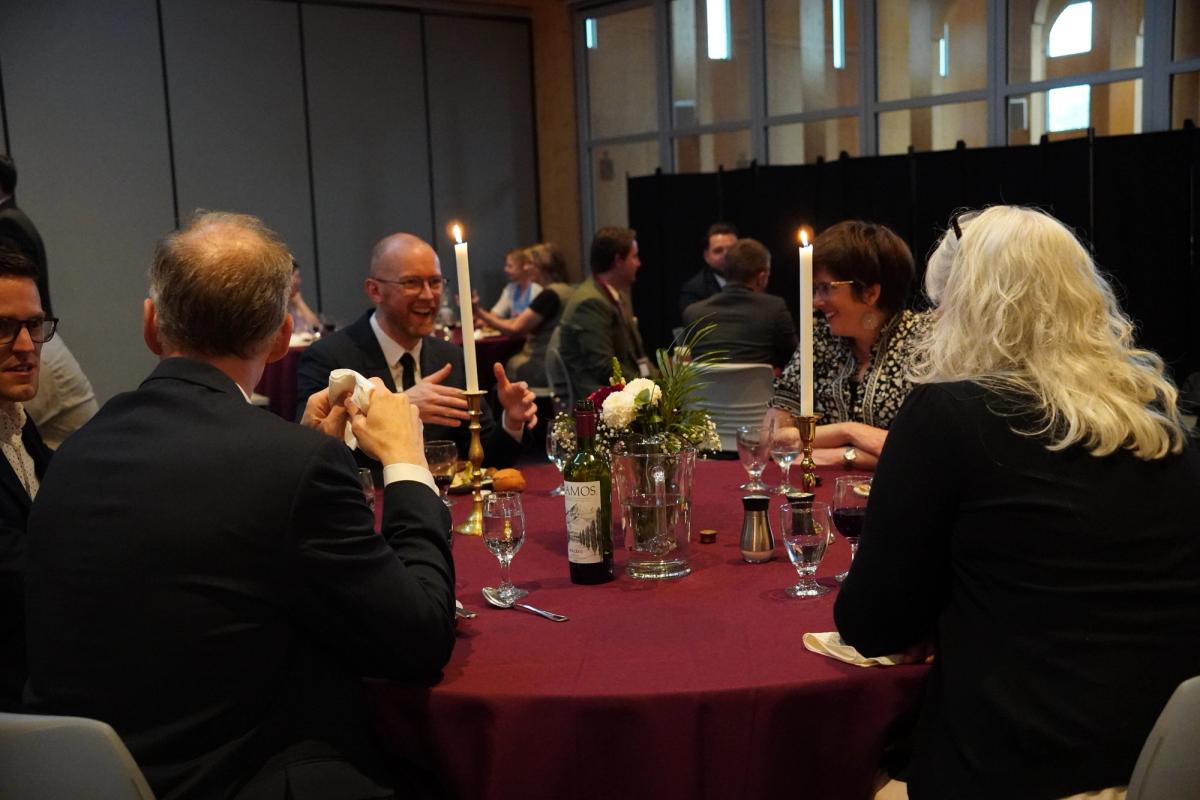
Hence, what made our weekend so leisurely is not that we had a relaxed schedule and few things to do. Rather, it was because the Seminar was chock full of activities done for their own sake; activities that were simultaneously contemplative and festive.
We chanted Vespers and solemnly worshipped God in the Mass. We pondered some of the best books of the last 2300 years in order to understand what a Christian society looks like. We gathered for an evening of sharing thoughtful poetry, beautiful music, and funny stories, not to mention a skit or two and a juggling routine. We shared good food and stimulating conversation. We somewhat spontaneously belted out the “Beasts of England” anthem from George Orwell’s Animal Farm in the midst of a discussion session. All of these things and more were pure leisure—activities that were not done to be useful or to prepare us for work on Monday, but to remind us that we are human and are made for greater things than the commercial and political paradigms that have filled the void left by Christendom.
If leisure is the basis of culture as Pieper claims, then these sorts of gatherings are not simply about discussing and planning the cultural renewal that the Gregory the Great Institute seeks to promote. They are its foundation and embodiment.