Faith and Reason from an Intern's Perspective
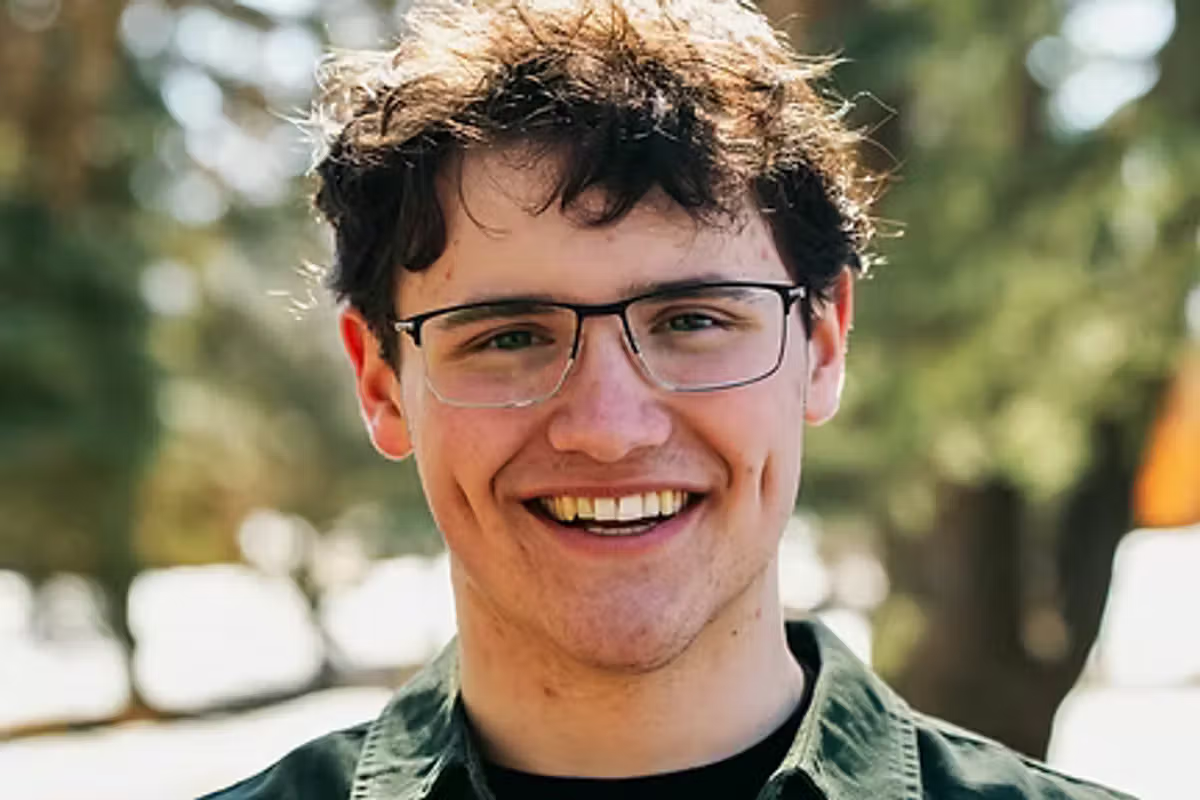
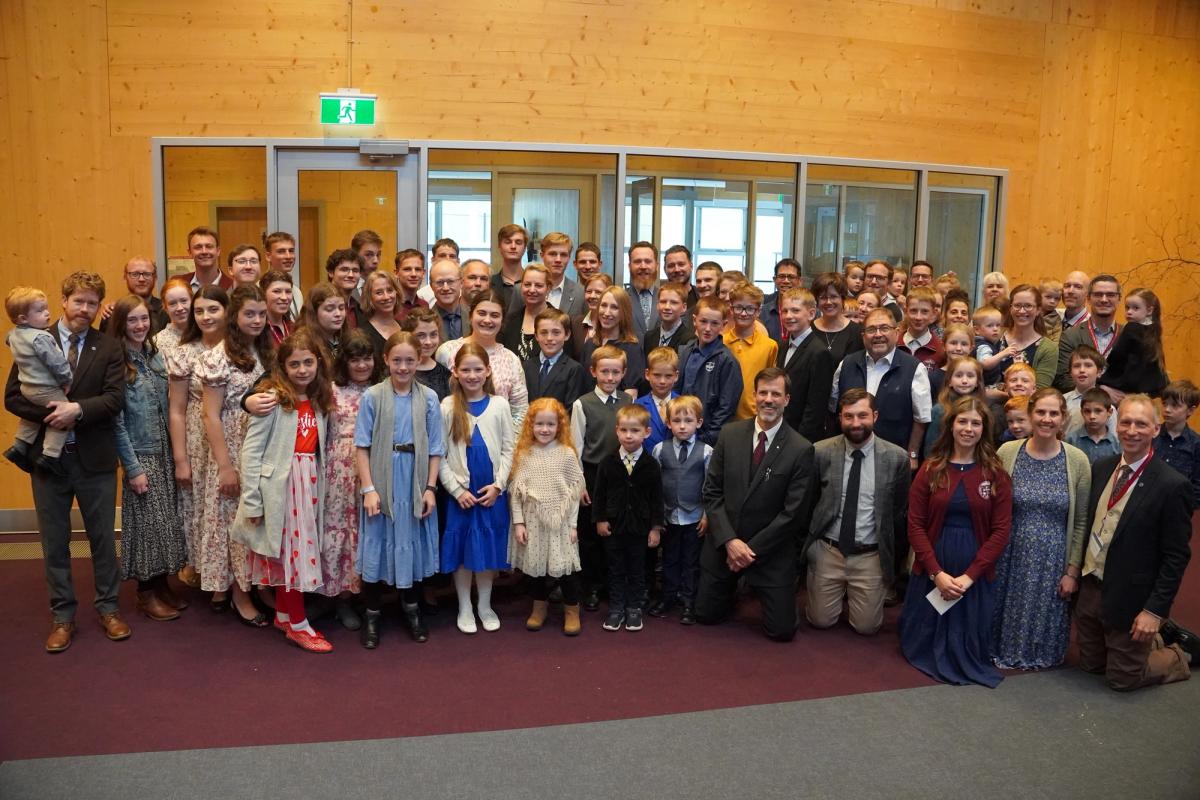
In mid-June, thirty Canadian Catholic Leaders, from doctors to ministry heads, gathered together at the beautiful Mount Carmel Spirituality Centre for the Gregory the Great Institute’s Faith and Reason Seminar. I too was there, and although I’m no professor or schoolmaster, I am a summer intern with the Institute, and thus was given the blessed opportunity to participate.
There is nothing quite like the Faith and Reason Seminar in Canada. It was designed as a weekend withdrawal from the noisy world into a place of fellowship and intellectual rejuvenation through discussion of great Catholic texts and other forms of leisure. As Saint Paul writes, “Be not conformed to the pattern of this world but be transformed by the renewal of your minds.”
Now I invite you, dear reader, to join me as I take you through the workings of Faith and Reason:
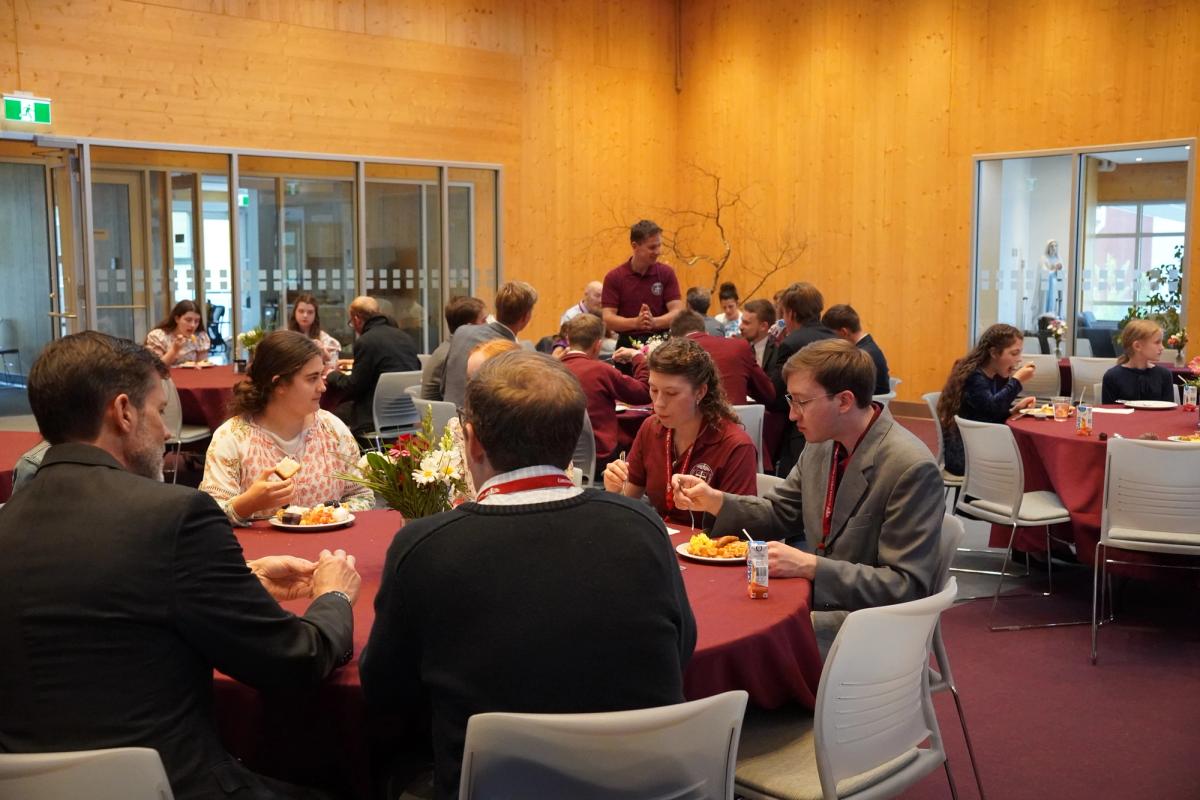
Each day began with a hearty breakfast. A satiated stomach allows one to focus on satiating his mind (a no less vital organ!). After we enjoyed food and conversation in the dining hall, we moved to the discussion room, ready to fill our minds with the good, the true, and the beautiful.
Before going any further, I must explain what the discussion at the Seminar looks like. Months before we all gathered, the participants were given a list of texts to read. These were chosen to fit this year’s central theme of “The New Christendom.” Included in the list were Rod Dreher’s The Benedict Option, Chaucer’s Canterbury Tales, and the encyclical Fides et Ratio (Faith and Reason) by St. John Paul the Great.
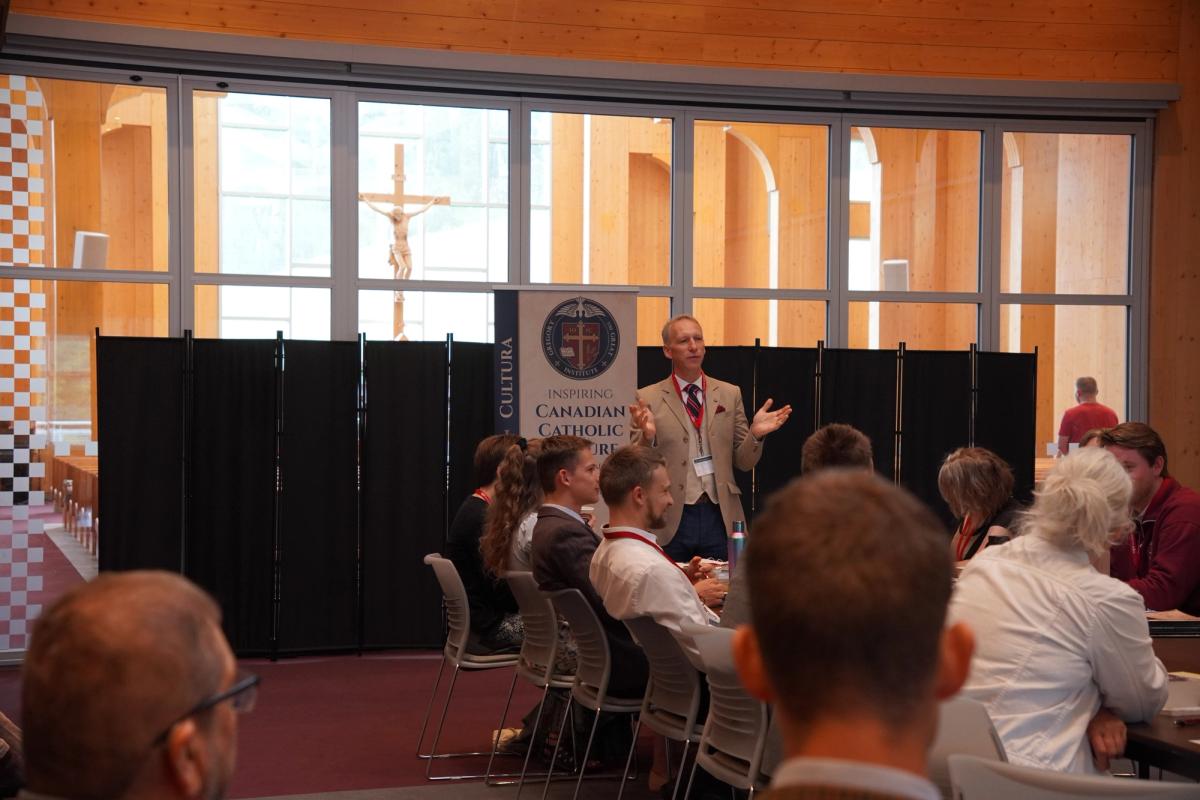
Having taken time to read and meditate on the texts before coming, at the Seminar we dove into their significance, practical application, and any controversies surrounding them. This was all done in the format of Socratic discussions, one hour per text. These dialogues ranged in content from essential metaphysical considerations (such as those aroused by Josef Pieper’s Leisure, The Basis of Culture) to the nitty-gritty, on-the-ground reality of cultural renewal (highlighted in The Benedict Option and the Rule of Saint Benedict).
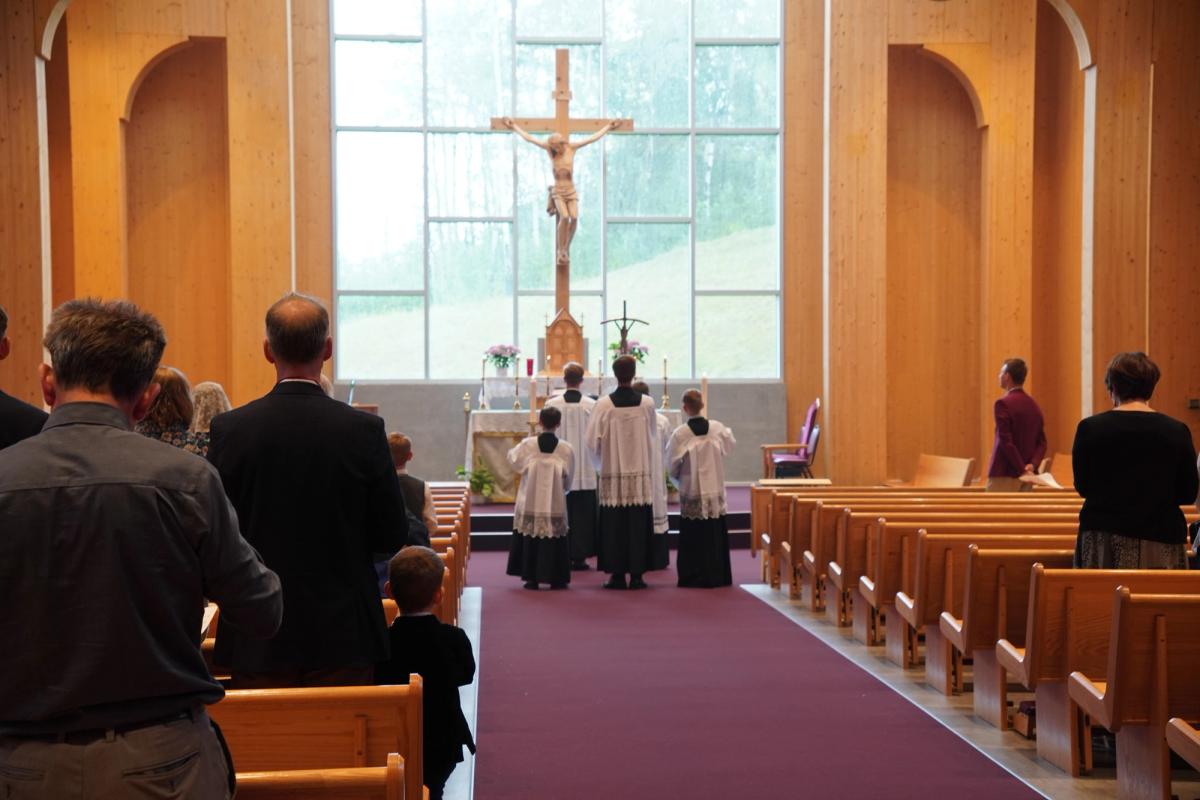
Interspersed between these intellectual feasts were meals of soul and body. Sung Holy Mass with gorgeous music, more delicious meals, and communion-filled free time offered a tapestry of leisurely activities that nourished the whole person like a holy balm.
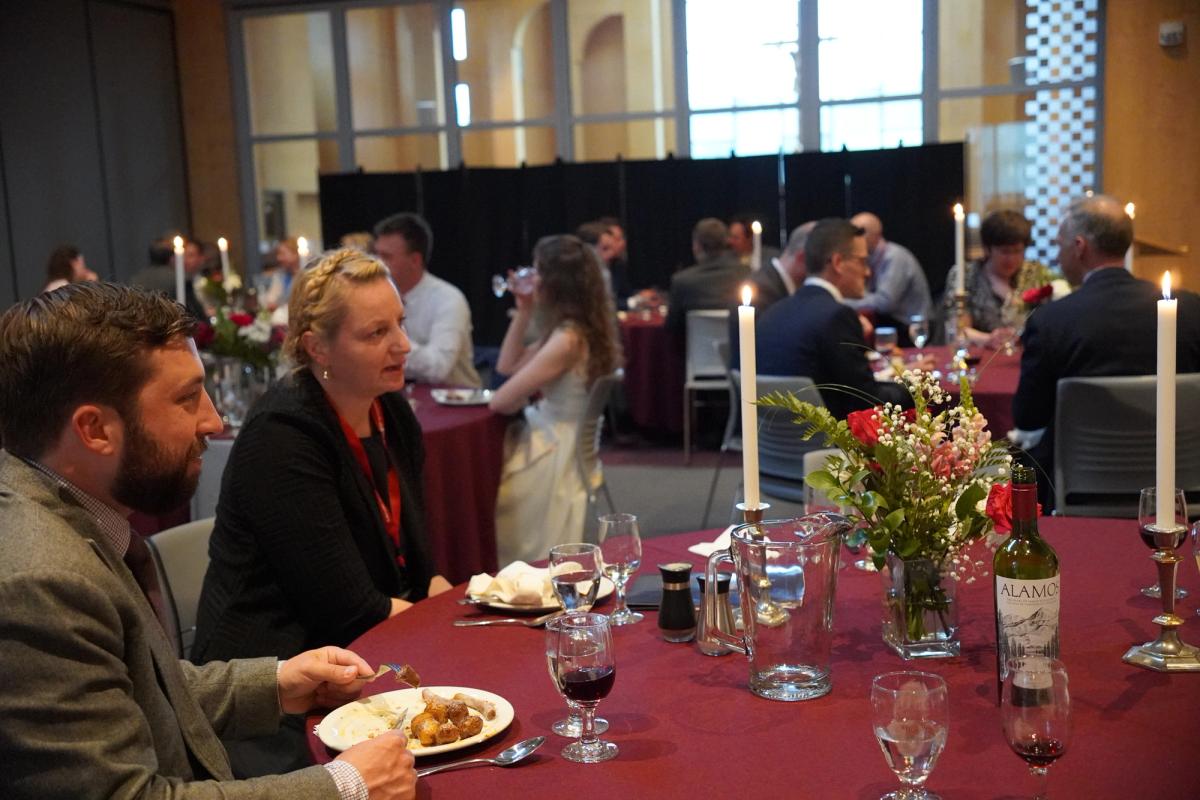
Then, in the evenings, after the interns led Vespers, the participants each night gathered for various activities. The most notable of these was the soirée, which was held on the Seminar’s final evening. That night, nearly every attendee showed their performative skill, presenting stories, skits, poems, songs, and even juggling for the enjoyment of all. Many a laugh and drink were shared that night!
The Seminar culminated in Sunday Mass and a brunch with the attendees and their family members. Each of us left with some insight to consider and some joyful experience to share.
Having experienced such an event, one is left to consider whether the events and activities we so often engage in are making us more or less human. Do we discuss with one another in order to truly understand concepts, or do we slavish look to Google for digestible summaries? Do we sing, act, tell stories to each other, or merely consume pre-packaged versions of entertainment on our devices? It is time to consider a renewal, aimed at living the tactile, relational humanity that makes us more of who we were designed to be from the beginning of God’s good world. There is great hope!