
Animal Farm Book Studies

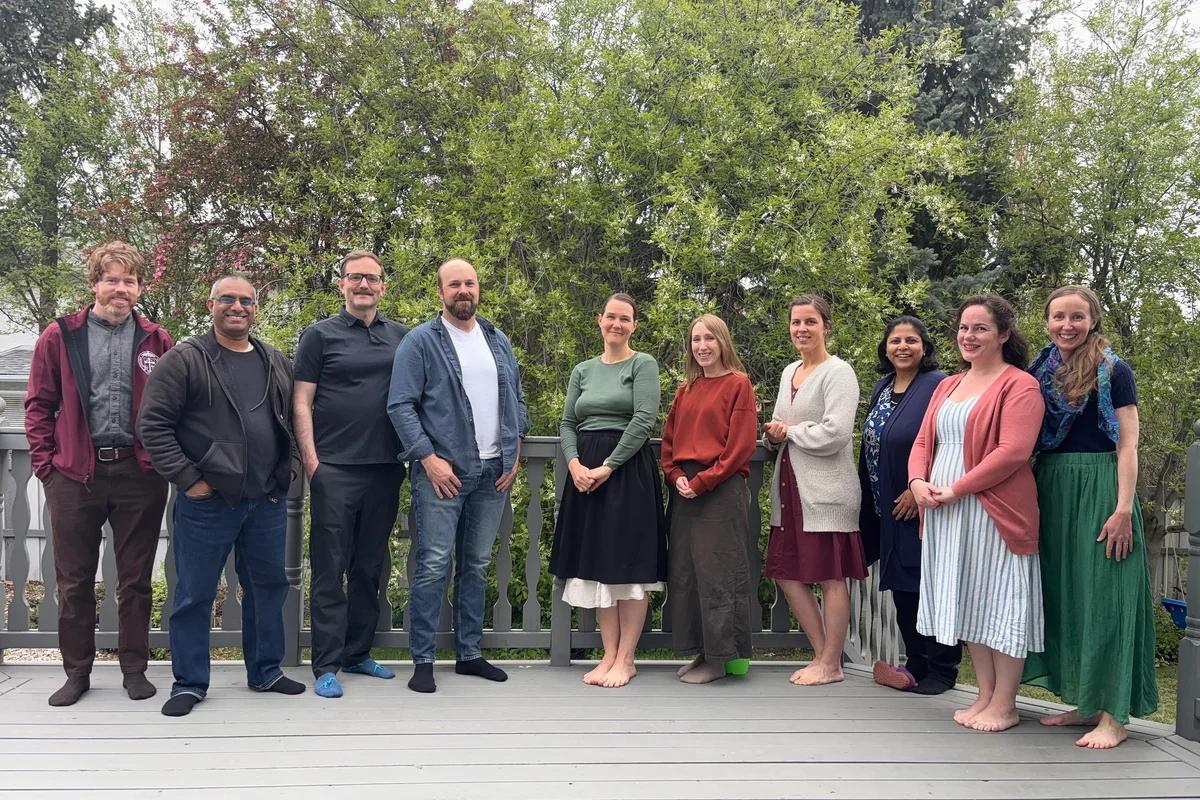
This May, the Gregory the Great Institute began facilitating book studies across Alberta and beyond, equipping volunteers to lead discussions on the farmyard fable of a tyranny of pigs: George Orwell's Animal Farm. Before I even applied to join the institute's internship, I had already signed up to lead a group for this book study, so I was keen to begin.
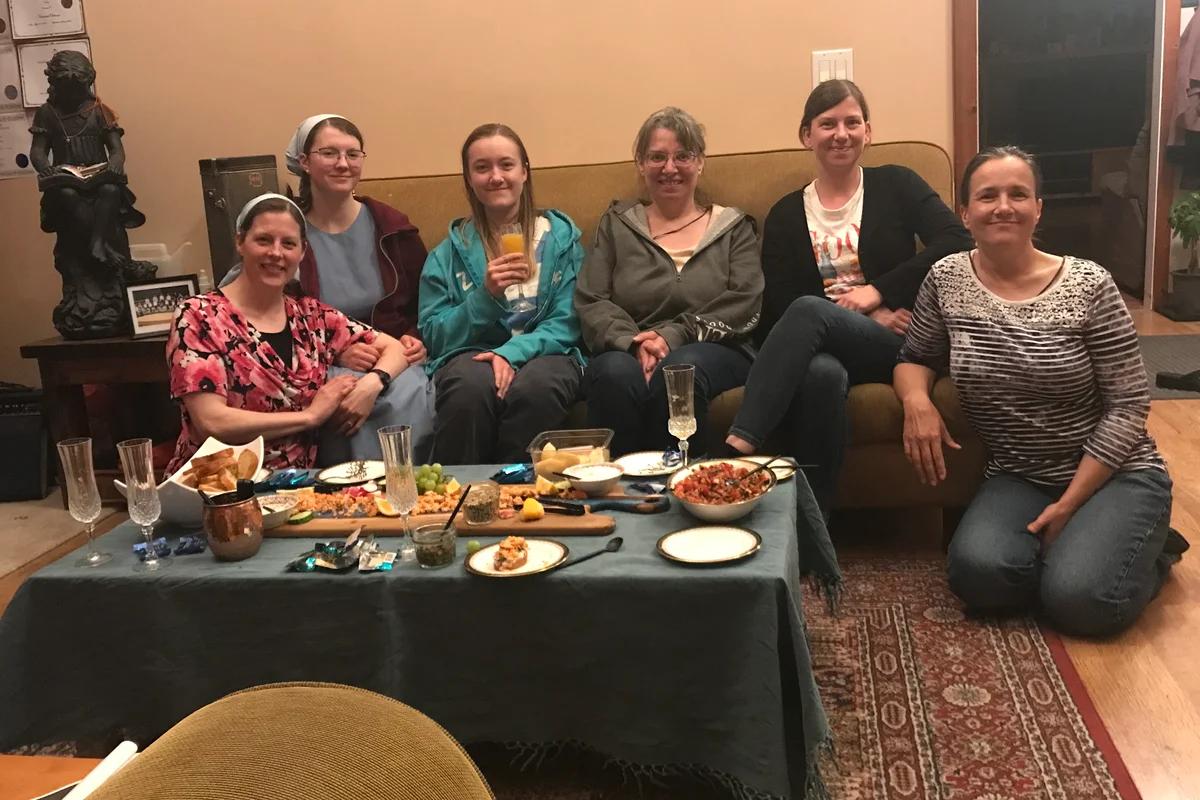
In the afternoon on May 24th, we gathered in my friends' backyard, enjoying the blessed warmth which closed the door on the temperamental throes of winter. It was a potluck dinner, so after we had helped ourselves to pierogies, chili, homemade sourdough, brownies, and plenty of bacon (take that, Napoleon!), we took seats around the campfire for the discussion.
(Near the beginning of our conversation, we discovered a mouse scurrying around in the nearby woodpile, which naturally raised the question: Are mice comrades? I believe the prevailing opinion was a strong no.)
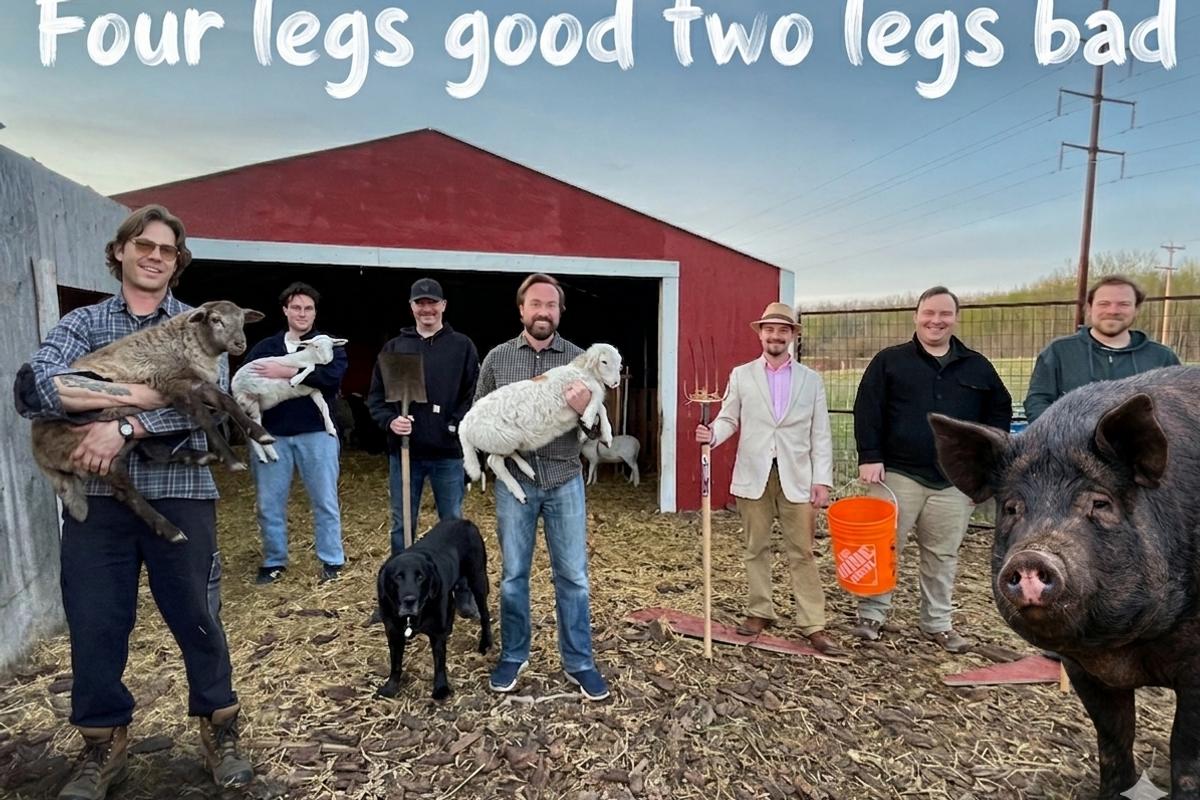
We started with our first impressions of the book. On the face of it, most of us agreed it is a weird story. There's a reason that Orwell originally subtitled the book, "A Fairy Tale", which I would say is integral to its whole image. It's worth reading this book because of what it elucidates about the errors of Stalinist Russia, but it's also worth reading for the same reason most fairy tales are, in that they use exaggerated (or animalized) characters to teach us penetrating truths about human nature and the world.
We then talked, of course, about said errors of Stalinist Russia. Some of my friends, being history buffs, were able to explain the background that inspired Animal Farm's characters and plot, tracing commonalities between the Soviet uprisings and the French Revolution. As they keep happening, it is shown continually that rebellions favour cunning and ambitious men over the common or virtuous, and so often the uprisings under tyranny lead seamlessly into more tyranny, or different kinds of tyranny.
One of the parts that disturbed me most was Napoleon's taking and "educating" the puppies in secret, away from their mothers. When time passes, they emerge a vicious pack of dogs loyal to Napoleon, killing thoughtlessly at his command. This spurred an extended discussion about the education of children, the right methods for it, and the responsibilities of the different educators in a child's life. It also moved me to sympathy for people born into a sad or diminished cultural view, feeding on the lies that they're given without knowing anything better. It brings to mind those of communist and fascist states, but also those of our own radical times. When the dominant cultural view espouses an individualism predicated on personal power and pleasure, which motivates those born into it to close their minds to anyone trying to "take away" that power and pleasure, I feel sympathy before anything else.
Lastly, we dwelt on the matter of the rewritten histories of our society. As the pigs, via Squealer, were so intent on warping the facts of the rebellion and the tenets of Animalism, so it seems that today's media will vigorously do so to the Catholic Church, as the attacks on the legacies of Father Lacombe, Bishop Grandin and countless other missionaries, to give an example near to home, should prove. But what sets us apart from the animals whose lives were retold to them? We have the ability to remember. We have the ability to hold onto the events, principles and traditions of the past, and as of yet, that hasn't been taken from us completely.
The study guide ended with a prescription: take some time to consider what stories or traditions you want to preserve, restore or pass on, and how concretely to do that. I now pose the same recommendation to you, because in a real way, the future depends on it.